How to Maximize Apartment Living for a Healthy Lifestyle
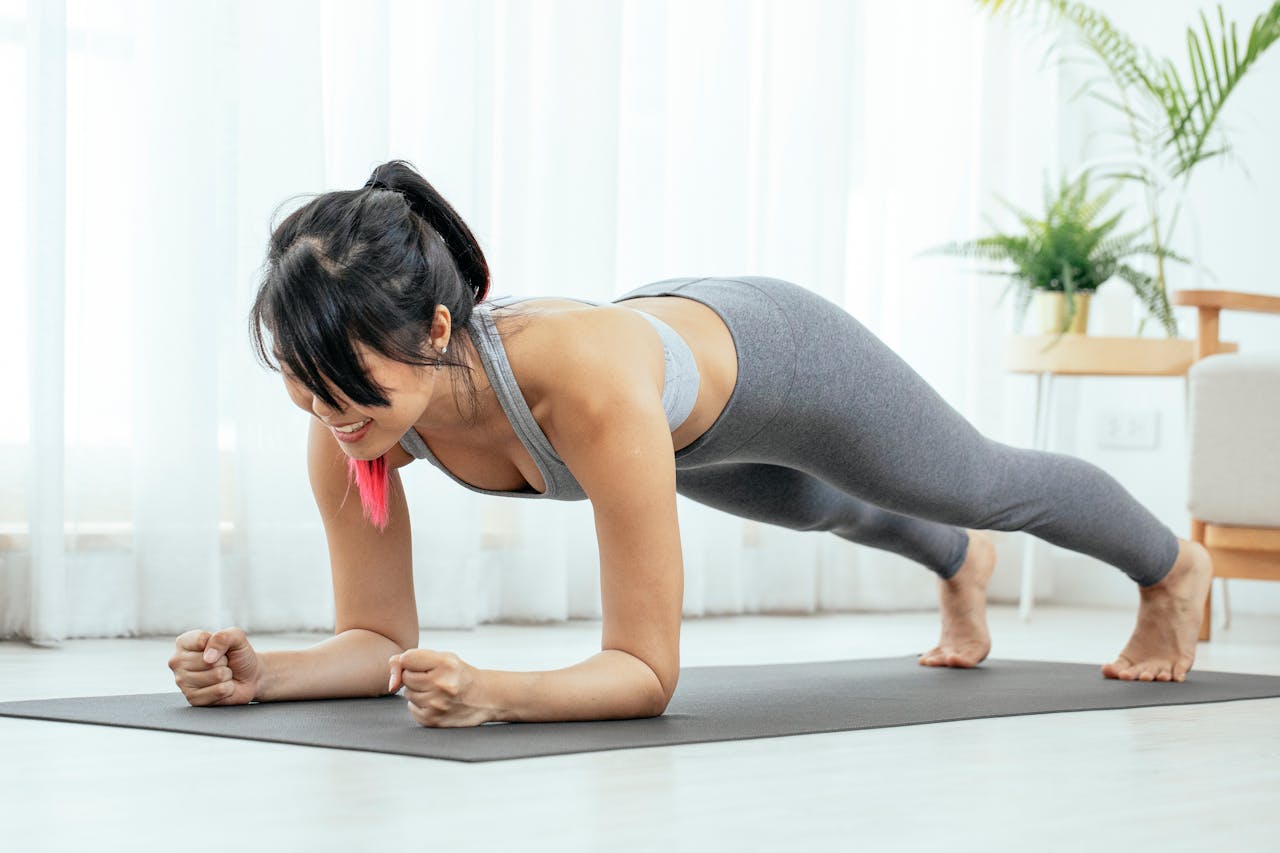
You might think limited space limits your options for a healthy lifestyle at home, but with a few smart strategies, you can transform even the most cramped quarters into a hub for healthy living.
From choosing multifunctional furniture to using compact exercise gear, this article explores practical ways to maximize your apartment for optimal wellness.
Embrace Vertical Storage
When space is at a premium, thinking vertically can revolutionize your apartment's fitness potential. Wall-mounted shelves or hooks liberate valuable floor space, making room for essential exercise activities like weight lifting or yoga.
Your workout gear, such as kettlebells, yoga mats, and resistance bands, can be neatly stowed away on the walls, so that is readily accessible; while freeing up floor space for your keeping fit and healthy activities.
Such an arrangement encourages a more active lifestyle simply through thoughtful organization.
Utilize Multifunctional Furniture
Utilizing innovative furniture can transform your living space into a dynamic area that is conducive to both relaxation and physical activity.
Consider investing in items like a convertible desk that can adjust for standing or sitting, to promote better posture and increased energy expenditure throughout the day. And a sturdy coffee table could double as a piece of equipment for exercises like step-ups.
By choosing multifunctional furniture, you essentially create a micro-gym within your home environment, which is particularly helpful if you're tight on space.
This approach not only maximizes the utility of each piece but also ensures that staying active remains a convenient part of your daily routine.
Embrace Compact Exercise Equipment
To maximize your fitness goals, it's definitely a good idea to regularly use a gym so that you can access a wide variety of equipment (plus, if you're not aware, you could even use your health savings account to pay for a gym membership), but it's still a good idea to have some exercise equipment at home so that you can work out effortlessly anytime.
Indeed, choosing the right exercise equipment can dramatically enhance your ability to maintain a fitness routine in a small apartment. Choose compact and versatile gear, such as adjustable dumbbells and foldable yoga mats. These items are not only space-efficient but can be easily stored away — under the bed or in a closet — when not in use.
A functional workout bench that can be folded flat and tucked away ensures that residents can perform a complete strength routine without permanently sacrificing precious floor space. Investing in multi-purpose gear like this makes it incredibly simple to transition an ordinary living room into an effective training zone within a matter of seconds.
Additionally, consider a mini stepper or a compact stationary bike; these provide substantial aerobic workouts without dominating your living space.
Invest in an Air Purifier for Healthier Living
In apartment settings, where ventilation may be minimal, ensuring clean indoor air is crucial for maintaining health. An air purifier becomes an essential ally in this effort. It not only helps eliminate common airborne pollutants like dust and pet dander but also reduces odors, creating a more inviting exercise environment.
Particularly for those who engage in indoor workouts, maintaining particle-free air can enhance respiratory function and overall workout efficiency.
By integrating an air purifier into your living space, you effectively add a layer of wellness defense, making your apartment a sanctuary of cleanliness and health.
Cultivate a Corner for Mindfulness
In the pursuit of physical health, mental well-being holds equal importance. Designate a specific corner in your apartment as a dedicated space for mindfulness practices such as meditation and deep breathing exercises. This doesn't require significant square footage — a small area with minimal distractions will suffice.
Enhance this space with elements that promote calmness: perhaps a comfortable mat, a soft throw pillow, and a small plant or two for a touch of nature.
Establishing this designated zone not only encourages regular mindfulness sessions but also symbolizes your commitment to maintaining balance in both mind and body within your living space.
Frequently Asked Questions
Can I really stay fit in a small apartment?
Yes, and arguably more consistently than people with full home gyms — the friction of leaving the house drops to zero. The keys are vertical storage so equipment isn't constantly underfoot, a few well-chosen compact pieces like adjustable dumbbells and a foldable yoga mat, and a small dedicated zone for floor work. Most apartment workouts need a square of clear floor about 6 by 6 feet, which almost any space can deliver with a little planning.
What's the best exercise equipment for a small apartment?
Adjustable dumbbells replace a full rack with one compact piece. Resistance bands take up almost no space and cover most strength movements. A foldable yoga mat slides under the bed when not in use. For cardio, a mini stepper or compact stationary bike provides substantial aerobic work without dominating the room. Avoid bulky machines like full treadmills or ellipticals unless you have dedicated space for them — they become expensive coat racks otherwise.
How do I make multifunctional furniture work without it feeling cluttered?
Choose pieces that serve their primary purpose well first, exercise function second. A sturdy coffee table that can also be used for step-ups should still look and function like good living-room furniture. A convertible standing/sitting desk should still be a comfortable desk. The exercise dimension should be invisible until you need it — pieces that scream "fitness furniture" tend to look out of place in a relaxed living space.
Is an air purifier really necessary in an apartment?
Depends on your specific situation, but apartment ventilation is often more limited than houses and indoor air quality affects sleep, focus, and exercise performance. If you have pets, allergies, do indoor workouts, live in a high-pollen area, or your apartment is near heavy traffic, an air purifier provides meaningful benefit. HEPA-rated units handle the most common airborne particles. Sizing the unit to your room matters — undersized purifiers don't process enough air to make a real difference.
How do I set up a mindfulness corner in a tiny apartment?
The space requirement is small — a corner big enough to sit comfortably on a cushion is enough. A floor cushion or meditation mat, a small side table for a candle or book, and minimal distractions (face away from the TV and the kitchen mess) is the whole setup. The visual cue matters more than the size; having a designated spot that signals "this is where I sit quietly" makes the practice stick in ways that meditating on the couch usually doesn't.
How can I add greenery to a small apartment for wellness benefits?
Start with low-maintenance plants — pothos, snake plants, and ZZ plants tolerate inconsistent light and watering. A few small plants near windows or on shelves add visual calm without taking floor space. Hanging plants from ceiling hooks use vertical space the same way vertical storage does for equipment. The wellness benefits come from the visual and air-quality contribution; you don't need a jungle for the effect to land.
What if my apartment is too small for any of this?
Almost no apartment is genuinely too small — the issue is usually clutter rather than square footage. Clear one wall for vertical storage. Clear one square of floor that becomes your workout zone. Designate one corner for mindfulness even if it's only big enough for a cushion. The smallest studios in dense cities work for this if the principles are applied consistently. Start with one of the five tips rather than trying all of them at once.
How do I stay motivated to work out at home when the gym is right there?
Use both. Gym sessions cover what home workouts can't — heavy compound lifts, varied cardio equipment, classes, social accountability. Home sessions cover what the gym can't — the zero-friction 20-minute workout when you can't justify the trip across town. Most people who maintain consistent fitness in apartment living end up with a hybrid: gym 2-3 times a week for the heavy work, home equipment for the in-between days. Each fills a gap the other can't.