Practical Ways You Can Grow A Garden Within Your Apartment Unit
Gardening is among the ways that you can keep active especially when you've had restrictions of movement due to the pandemic. It can also help if you have a backyard garden that provides you with your nutritional requirements. If you have the space for it, then you need to have a garden that provides you with the plants you need whether for your kitchen or your home decoration.
One of the most satisfying things you can embark on is growing a garden. Sometimes, it can be hard, especially when you are living within a small space like in an apartment. If you are in a tight space and wondering how to grow a garden, you are in luck because this article provides you with effective tips to do so. They include the following;
Have You Considered Vertical Gardening
If you are living in an apartment, then the easiest way to own a garden is to grow plants vertically. There are various species of plants that grow upwards. What you need to do before you think of this idea is to conduct extensive research and choose a variety of plants that work well in your particular environment. Most of the plants that grow vertically are fruit-bearing and vegetable plants.
If you plan to grow vegetables like pole beans, cucumbers, or even squash, you will need to support the crops with a rope or use netting to hang the tendrils. Now, and according to plants2gardens.com, you have options that can greatly help to maximize your backyard food production even when living in an apartment. You want to ensure that your plants are protected from the obvious pests and diseases. This means ensuring that you have the best plant mediums as well as the best places to plant your seedlings.
Container Gardening
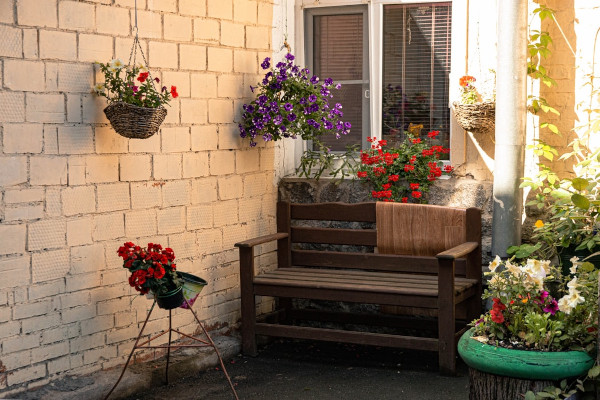
When living in an apartment and need to own a garden, the best way to go is to have a container garden where you can plant your fruits or vegetables. The best thing about using containers is that you can grow vegetables or fruits depending on your preferences. You can choose a space on your balcony and hang the containers or have them systematically arranged. The size of the containers you choose will depend on the space you have. Did you know that the driveway can also be used to plant fruits, veggies, and flowers? But all this will also be dependent on the relationship you have with your landlord.
You do not want to mess up such a good relationship by doing things contrary to your host. as it turns out, you can have plant containers in the driveway, on your deck, around the house, or on the front stairs. The most important thing here is for the plants to access the watering system and maximum sun exposure.
Succession Planting
Also known as successive planting, it's one of the ways you can enjoy gardening while staying in an apartment. This is a system that involves planting a variety of plants to help increase yields. By staggering their planting, you can have a variety of crops growing right on your balcony at no added cost. By this, it means that you can squeeze your vegetable garden by pairing up your choice of vegetables in the same pot. The other effective way for a successful succession planting is to identify plants with different maturity rates and have them planted. If you enjoy vegetable gardening, you can choose eggplants, broccoli, tomatoes, among other choices, as they have different maturity rates. This is a great strategy if you are living in an apartment with limited space. There are so many options of plants to consider when it comes to succession planting. all you need are plants that are easy to maintain.
Windowsill Gardening
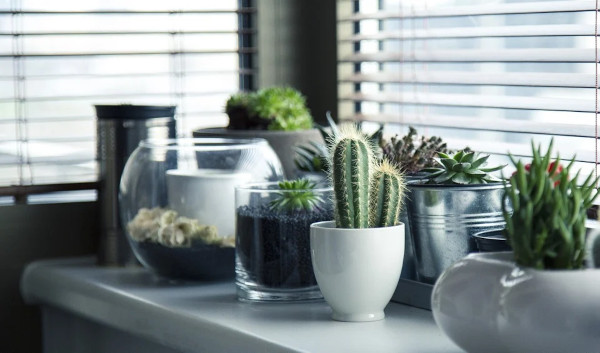
Another excellent idea for gardeners while staying in an apartment is windowsill gardening. It is a wonderful way to grow every plant choice, from succulents to herbs, in your apartment. The best thing about this kind of gardening is that you can choose to use it to spruce up any room in your house when living in an apartment. This might range from the bedroom to your living room. It is vital to understand that this kind of gardening requires good maintenance. Occasional pruning is necessary here as it helps reduce overcrowding. You want your plants to grow without having to compete for nutrients, and this is where fertilizers come in handy as they'll help supply your plants with the necessary nutrients.
Gardening has various benefits to both your well-being and the environment around you. Interacting with greenery can significantly improve your mental health and boost your mood for the day. You don't need much space to start gardening. As long as you have the right water, soil, containers, sun, and the right plants, you can enjoy the benefits of gardening in your apartment.
Frequently Asked Questions
What plants grow best in low-light apartments?
Several plants tolerate the dim, inconsistent light typical of urban apartments. For greenery: pothos, snake plants, ZZ plants, philodendrons, and Chinese evergreens thrive in indirect light. For edibles in low-light conditions: mint, chives, parsley, and some lettuce varieties produce reasonably well even without strong direct sun. A small clip-on LED grow light (under $40) dramatically expands what you can grow in low-light apartments — basil, cilantro, peppers, and even small tomatoes become viable with supplemental lighting. Avoid succulents and full-sun vegetables like tomatoes, peppers, and cucumbers as primary plants in low-light spaces; they'll survive but won't produce well.
How much can you really grow in a small apartment?
Honest expectations: a household of one or two can grow most of their household herb needs and a meaningful supplement of leafy greens in 4-8 square feet of windowsill or shelf space. With a balcony adding 20-40 square feet for containers, you can add productive tomato plants, peppers, beans, and small root vegetables to the mix. Realistic seasonal output from a well-managed apartment garden: fresh herbs continuously, 5-10 lbs of tomatoes, 3-5 lbs of peppers, regular salad greens through spring and fall. You won't replace your grocery bill, but you'll noticeably reduce the high-cost fresh-produce items and have better-quality versions of what you do grow.
What's the best soil for apartment container gardening?
Use a quality potting mix specifically labeled for containers — not garden soil from the yard, which compacts in pots and prevents drainage. Look for mixes containing peat moss or coco coir, perlite (those white pellets) for drainage, and some compost for nutrients. Brands like FoxFarm Ocean Forest, Espoma Organic Potting Mix, and Black Gold Natural & Organic are commonly recommended. Avoid the cheapest bagged mixes — they often contain wood chips that haven't fully composted and can rob plants of nitrogen. Plan to refresh container soil annually for active vegetable growing, or replace half the soil and add fresh compost for less demanding plants.
How often should I water apartment plants?
There's no universal schedule — watering needs vary by plant species, container size, light exposure, and humidity. The reliable test: insert a finger 1-2 inches into the soil. If it feels dry at that depth, water thoroughly until water runs out the drainage holes. If still moist, wait another day or two. Most apartment herbs need water every 2-4 days; succulents weekly to biweekly; leafy vegetables daily during active growth in warm weather. Containers near sunny windows dry out faster than those in cooler interior spots. Overwatering kills more apartment plants than underwatering — when in doubt, wait another day.
Can I grow vegetables in a Boston apartment year-round?
Yes, with strategy. Boston's natural light is strong enough from April through October for productive indoor vegetable growing on south-facing windowsills. From November through March, the days are short and gray enough that you'll need supplemental LED grow lights to keep edibles productive. Many Boston apartment gardeners shift focus seasonally: vegetable production April-October, leafy greens and herbs year-round with grow lights November-March, dormant or low-effort houseplants over winter. The brief Boston growing window outdoors makes indoor cultivation more valuable here than in milder climates.
What gardening tools are essential for apartment growing?
Minimal setup costs under $75 for everything. Essential: a watering can with a long narrow spout for reaching containers without splashing ($10-$20), small pruning scissors for harvesting and trimming ($10), spray bottle for misting humidity-loving plants ($5), a small trowel for repotting ($5-$10), and a moisture meter probe for the times the finger test isn't enough ($10-$15). Add a clip-on LED grow light ($25-$40) for serious year-round growing. Skip the elaborate gardening setups marketed to suburban gardeners — apartment gardening rewards minimalism, not gear collection.
How do I prevent pests in indoor apartment gardens?
Indoor gardens mostly avoid the pest pressure of outdoor gardens, but a few problems show up. Fungus gnats (small black flies around soil) appear when soil stays too moist — let the top inch dry between waterings, or top-dress with sand or cinnamon to deter them. Aphids and spider mites can hitchhike in on new plants — quarantine new plants for a week before integrating them with existing collection. Wipe leaves with diluted dish soap solution if you see pests. Avoid systemic pesticides on edible plants; rely on physical removal, neem oil sprays, or beneficial soap solutions instead. Healthy plants resist pests better, so good light, water, and nutrients are the primary defense.
Are there gardening restrictions in Boston rental apartments?
Lease terms vary, but most Boston landlords have no objection to indoor container gardening on windowsills or interior surfaces. Common restrictions to check: structural penetrations (drilling for wall planters or hanging systems usually requires permission), balcony plant placement (some buildings restrict railing planters for safety), excess weight on balconies (large container clusters can exceed safe load limits), and water runoff onto neighbors below. Indoor herb gardens on windowsills almost never require landlord permission. For larger ambitions involving structural changes or balcony installations, check your lease and ask the landlord in writing before investing. Most landlords appreciate well-maintained plants — they're a sign of a careful tenant.