How to Choose the Right Roof for Your Home's Aesthetic and Climate?
Choosing the right roof for your home isn't just about function - it's also about appearance and how it works with your climate. Your roof is one of the most noticeable aspects of your home, and it has a direct impact on energy efficiency, weather resistance, and overall curb appeal. Here's how to make sure you pick the best roof that aligns with both the aesthetic and climate of your home.
Understand Your Climate
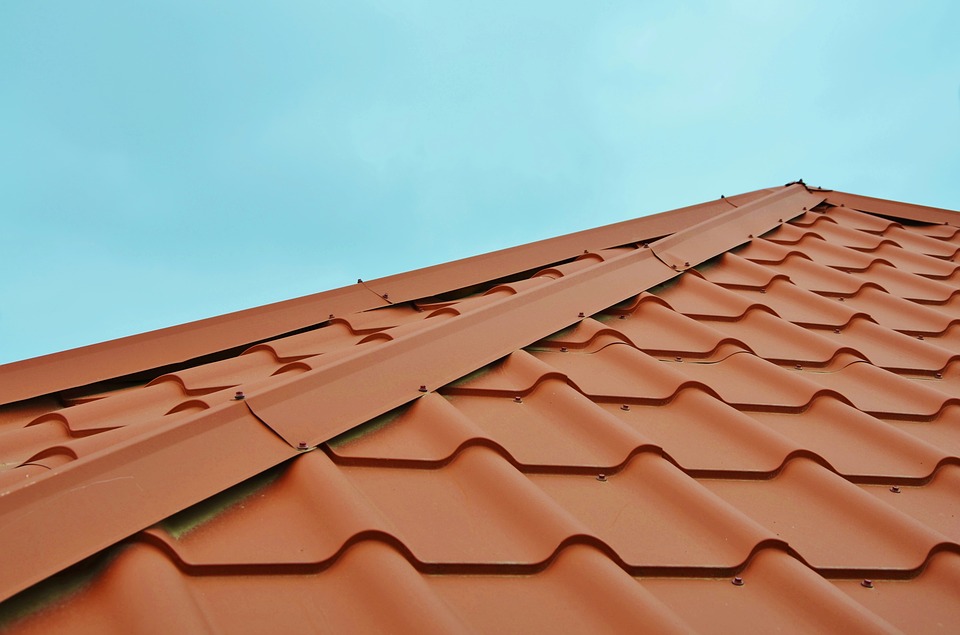
Before selecting a roof, assess the climate of your area. The type of weather you experience throughout the year directly influences the kind of roofing material you should choose. When deciding between metal vs tile roofs, it's important to consider a factor like climate because metal roofs reflect heat and are ideal for hot climates, while tile roofs offer excellent insulation and are better suited for cooler or wetter environments. In areas with heavy rainfall or snow, look for materials that are durable and can handle the weight and moisture, such as asphalt shingles or slate.
Local experts are going to understand how different roofing materials perform under your specific weather conditions. Maricopa County homeowners like working with Scottsdale roof repair professionals to find solutions that balance durability, efficiency, and cost. These specialists can assess potential issues before they become serious and guide homeowners toward the most practical choices. With their help, it's easier to select a roof that stands up to local climate challenges year after year.
Weather should always be a main factor when selecting the structural materials for any long-term building project. Texas companies from Space City are often looking to install commercial roofing systems in Houston that can withstand extreme humidity and intense summer heat waves. Choosing specialized configurations protects the property from heavy rain and severe seasonal storms that frequently hit the Gulf Coast region. Investing in these durable, weather-resistant solutions ultimately secures the building's infrastructure and reduces unexpected maintenance costs over time.
Match Roof Style with Architecture
The style of your home plays a crucial role in roof selection. For example, a sleek, modern home may look best with a flat or low-slope roof, while a traditional or colonial-style house may suit a pitched roof with cedar shakes or asphalt shingles. Consider the overall design and architectural style of your home to ensure your roof complements it seamlessly.
- Modern and Contemporary Homes: For modern homes, flat or low-slope roofs often provide a sleek, minimalist look that enhances the clean lines of the structure. These roofs work well with materials like metal or EPDM (rubber) for a smooth, streamlined finish. They also allow for more usable rooftop space, which can be turned into a rooftop garden or outdoor living area.
- Traditional and Colonial Homes: Traditional homes often feature pitched roofs, and materials like asphalt shingles or wood shakes can complement their classic style. A steeply sloped roof with gables or dormers fits well with Colonial or Cape Cod designs, helping to accentuate the symmetry and balanced proportions of the house. These roofs provide both aesthetic appeal and practical function, helping with water runoff in areas with heavy rainfall.
- Mediterranean or Spanish Revival Homes: Mediterranean-style homes typically feature red clay or terracotta tiles that bring a warm, rustic feel to the home's exterior. These curved tiles are not only visually striking but also ideal for warmer climates, as they naturally keep the home cool by promoting air circulation beneath the roof. The rounded rooflines align with the architectural curves seen in these homes, contributing to a cohesive, timeless appearance.
Consider Durability and Longevity
While aesthetics are important, you also need to think about durability. Roofs are a long-term investment, and materials vary greatly in terms of lifespan and weather resistance. Metal roofs, for instance, are incredibly durable and can last up to 50 years or more. Clay and concrete tiles are also long-lasting and ideal for high-heat regions. Asphalt shingles, while cost-effective, may need to be replaced every 20 to 30 years, making them less durable in the long run.
Choose Energy-Efficient Materials
If you're looking to improve your home's energy efficiency, certain roofing materials will better suit your needs. For hot climates, cool roofing options that reflect sunlight, such as reflective asphalt shingles or metal roofing, can help reduce cooling costs. In colder climates, materials that retain heat, like clay or concrete tiles, can help keep your home warmer in winter, reducing energy consumption.
Weigh the Maintenance Needs
Some roofing materials require more maintenance than others. If you don't want to spend too much time on upkeep, opt for materials like metal or slate, which are low-maintenance and resistant to moss, algae, and weather damage. Wood shakes, while visually appealing, require more care and maintenance to prevent rot or insect damage. Asphalt shingles are generally low-maintenance but may need occasional repairs or replacement due to wear and tear.
Budget for Your Roofing Project
Roofing materials come at a wide range of price points, so it's essential to consider your budget. Asphalt shingles are the most affordable option, while materials like slate, copper, or high-end wood shakes can be significantly more expensive. Keep in mind that while the upfront cost is important, durability and energy efficiency can save you money in the long term by reducing repair needs and energy bills.
Choosing the right roof for your home requires balancing both aesthetics and practicality. By considering your climate, home style, durability, energy efficiency, maintenance needs, and budget, you can make a well-informed decision that enhances your home's appearance and longevity. A carefully chosen roof not only protects your home but also adds value and curb appeal. Make sure your choice reflects your home's character and stands up to the elements for years to come.
Frequently Asked Questions
How does climate affect the right roof choice?
Metal roofs reflect heat and are ideal for hot climates, while tile roofs offer excellent insulation and are better suited for cooler or wetter environments. In areas with heavy rainfall or snow, durable materials that can handle weight and moisture, such as asphalt shingles or slate, are a better fit.
How should roof style match a home's architecture?
Modern and contemporary homes often suit flat or low-slope roofs in metal or EPDM for a sleek finish. Traditional and Colonial homes typically pair well with pitched roofs in asphalt shingles or wood shakes. Mediterranean or Spanish Revival homes commonly feature red clay or terracotta tiles with rounded rooflines that suit warmer climates.
Which roofing materials are the most durable?
Metal roofs are incredibly durable and can last up to 50 years or more. Clay and concrete tiles are also long-lasting and ideal for high-heat regions. Asphalt shingles are more cost-effective but may need replacement every 20 to 30 years.
Which roofing materials need the least maintenance?
Metal or slate roofing is low-maintenance and resistant to moss, algae, and weather damage. Asphalt shingles are generally low-maintenance but may need occasional repairs. Wood shakes are visually appealing but require more care to prevent rot or insect damage.