Living in Maui on a Budget: How to Make the Most of Paradise
Ever wondered how you can enjoy a tropical paradise without breaking the bank?
Living in Maui doesn't have to be expensive if you know how to manage your resources well. Embrace the island's natural beauty and discover ways to live comfortably while saving money.
Ready to learn how? Keep reading and start planning your affordable Maui adventure today!
Find Affordable Housing
Finding affordable housing in Maui can seem challenging, but there are ways to make it easier. Start by looking in less touristy areas, where rents are often lower. Consider shared housing or renting a room in someone's home to save on costs. You may even want to try downsizing and storing a lot of extra stuff with a Maui moving company with storage.
Don't forget to check local listings and community boards for deals. Sites like Craigslist and Facebook Marketplace can be helpful. Sometimes, you can find hidden gems or great deals on these platforms.
Also, keep an eye out for these homes for sale in Maui that might fit your budget. By exploring all your options, you can find a place that feels like home without spending too much.
Cook Your Very Own Meals
Cooking your very own meals is a great way to save money. Instead of eating out at expensive restaurants, you can buy fresh produce from local markets. These markets often have better prices than big grocery stores.
Plus, you get to enjoy fresh, local ingredients. Plan your meals for the week and make a shopping list to stick to your budget.
Try simple recipes that don't need many ingredients. By cooking at home, you can eat healthy and save a lot of money while enjoying the Maui lifestyle.
Use Public Transportation
Using public transportation is a smart and easy way to save money in Maui. The bus system is reliable and can take you to most places on the island.
Buses are much cheaper than renting a car or taking taxis. Plus, riding the bus means you do not have to worry about parking or gas costs.
You can get a monthly pass for even more savings. Make sure to check the bus schedule and routes to plan your trips efficiently.
Enjoy Free Activities
Island living doesn't have to be all about spending money. There are many free activities you can enjoy.
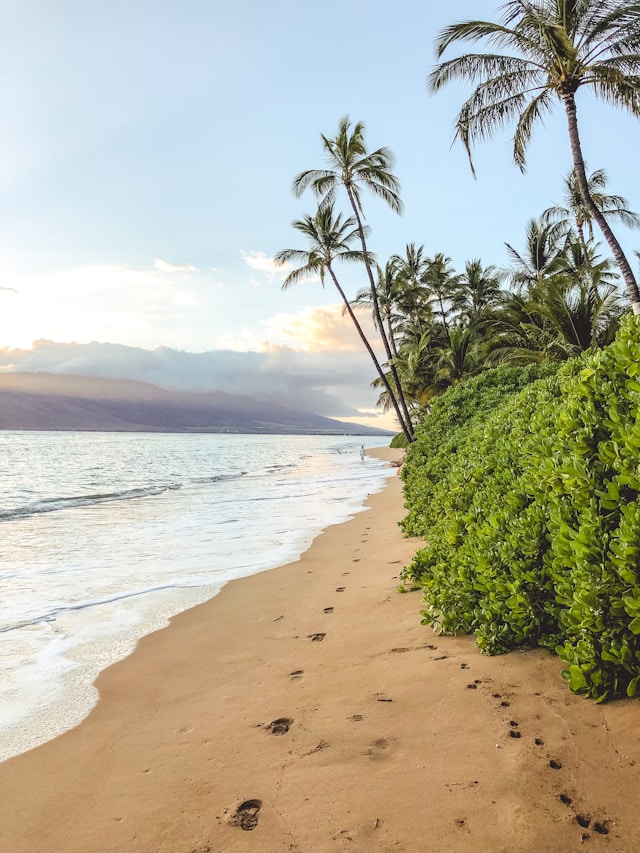
Visit the beautiful beaches and take a dip in the ocean. Go hiking on one of the many trails and enjoy the stunning views. Spend a day at a local park and have a picnic.
You can also explore the local culture by attending free community events and festivals. Enjoying these activities lets you experience the island without spending a lot.
Shop Locally
Shopping locally is a smart way to save money and support the community. Visit farmers' markets for fresh fruits and vegetables. These markets often have better prices than big stores.
Look for local shops for other items you need. They may have deals on clothing, gifts, and household items.
By shopping locally, you can find unique products and often pay less. Plus, you'll be helping small businesses thrive in Maui. Shopping locally benefits everyone.
Make Living in Maui Easy on Your Wallet
Living in Maui does not have to be a dream that breaks the bank. With careful planning and smart choices, you can enjoy the beauty and charm of the island without spending too much.
Remember, it's all about making the most of what Maui has to offer. So pack your bags and get ready to experience the joy of living in Maui!
Did you find this post helpful? If so, head back to our website for more informative content.
Frequently Asked Questions
What's a realistic monthly budget for living in Maui as a single person?
Plan for at least $3,500-$5,000 monthly for a budget-conscious lifestyle as a single person in Maui. Housing dominates the budget — expect $1,800-$2,800 for a studio or shared room in non-touristy areas like Kahului, Wailuku, or upcountry Makawao. Groceries run 30-50% higher than mainland prices ($600-$900 monthly). Utilities including electric run $200-$400 (Hawaii has the highest electricity rates in the US). Transportation $100-$300 depending on whether you use The Bus, scooter, or maintain a car. The biggest budget pressure is rent — Maui is one of the most expensive housing markets in the country relative to local wages.
Where are the cheapest places to live on Maui?
Kahului and Wailuku (Central Maui) offer the lowest housing costs and are home to most year-round residents — they're working towns rather than tourist areas. Upcountry communities like Makawao, Pukalani, and Kula offer moderate prices with cooler climate and more space, though commute times to the main employment centers can be 30-45 minutes. The west side (Lahaina, Kaanapali) and south shore (Wailea, Kihei) are dramatically more expensive due to tourism demand. Hana and the remote east side have lower housing costs but extremely limited services and a 2+ hour drive to most jobs and amenities.
Can you actually find affordable housing in Maui in 2026?
Affordable is relative — Maui rents have remained high since the 2023 Lahaina fires displaced thousands and reduced housing supply. Realistic strategies include: rooming with roommates (shared 3-4 bedroom homes can bring per-person costs to $1,200-$1,800), looking for ohana units (the legal accessory dwelling units common on Maui properties, often rented under-market by owners who prefer reliable local tenants), pursuing employer-provided housing (resorts and hospitals sometimes offer staff housing), and considering longer commutes from upcountry or central Maui rather than living on the coasts. The market is genuinely difficult for newcomers without local connections or above-average mainland income.
How does Maui's bus system actually work for residents?
The Maui Bus (operated by Roberts Hawaii) runs island-wide routes connecting Central Maui to West Maui, South Shore, Haiku, and Hana. Fares are $2 per ride with a $4 day pass, and monthly passes run $45. Service is reliable but infrequent compared to mainland city buses — routes typically run hourly during the day and stop in early evening. Practical for residents who live and work along main routes; less practical if your job, errands, or social life require off-route stops. Many residents use the bus for commuting and own a vehicle for everything else.
What free activities are there for Maui residents beyond the obvious tourist spots?
Plenty. Public beaches across the island are free and many of the best ones (Big Beach Makena, Baldwin Beach, DT Fleming) are favored by locals over tourist hotspots. Hiking is free at most trails including Iao Valley State Park (small parking fee), Waihee Ridge Trail, and dozens of waterfall hikes in east Maui. Maui Community Concert Band performs free monthly concerts. The Maui Friday Town Parties rotate through different towns weekly with food, music, and local vendors. Cultural events at Maui Arts and Cultural Center are often free or low-cost. Snorkeling at Honolua Bay, Olowalu, and other reefs costs nothing if you have your own gear. The best Maui activities don't require resort access.
What's the catch with relocating from the mainland to Maui?
Several catches that surprise newcomers. Local wages are substantially lower than mainland wages for equivalent work — service industry and trade jobs that pay $25-$35/hour on the mainland often pay $18-$25 on Maui despite higher cost of living. Career opportunities are limited; most tech, finance, and corporate roles require remote work arrangements with mainland employers. Healthcare access is more limited than urban mainland areas, with specialist appointments sometimes requiring flights to Oahu. Social integration takes time — there's a real distinction between locals (people born and raised on the island) and transplants, and respecting that culture matters. Goods cost 30-50% more than mainland due to shipping, and many specialty items simply aren't available. Plan financially for at least a year of higher costs before you find your local rhythm.
Do you need a car to live in Maui?
For most residents, yes — though not always. If you live and work in central Maui (Kahului/Wailuku) along the main bus routes and don't need to access the more remote parts of the island, you can manage without a car. For everyone else, a vehicle is practical necessity rather than luxury: beaches, hiking trails, friends' homes, doctor appointments, and even larger grocery stores are typically not bus-accessible. Used car prices on Maui run 20-40% higher than mainland for the same vehicles due to shipping costs and limited supply. Many residents drive older, well-maintained vehicles rather than newer cars. Insurance and gas costs are higher than mainland averages.
How expensive are groceries in Maui compared to the mainland?
Groceries run 30-50% higher than mainland prices on average, with bigger gaps on items that have to be shipped (most processed foods, dairy products, mainland-grown produce). Costco in Kahului is the standard money-saving destination for residents — bulk purchases substantially reduce the per-item cost. Local farmers' markets (Upcountry Farmers Market Saturdays in Pukalani, Maui Swap Meet in Kahului) offer better prices on Hawaii-grown produce, tropical fruits, and prepared foods than the regular grocery stores. Foodland and Times Supermarket are the local chains; Whole Foods and other premium grocers exist but are noticeably more expensive than even their mainland prices. Building meals around what's locally grown (papaya, mango, taro, fresh fish, Maui-grown vegetables) saves significantly compared to relying on shipped mainland products.